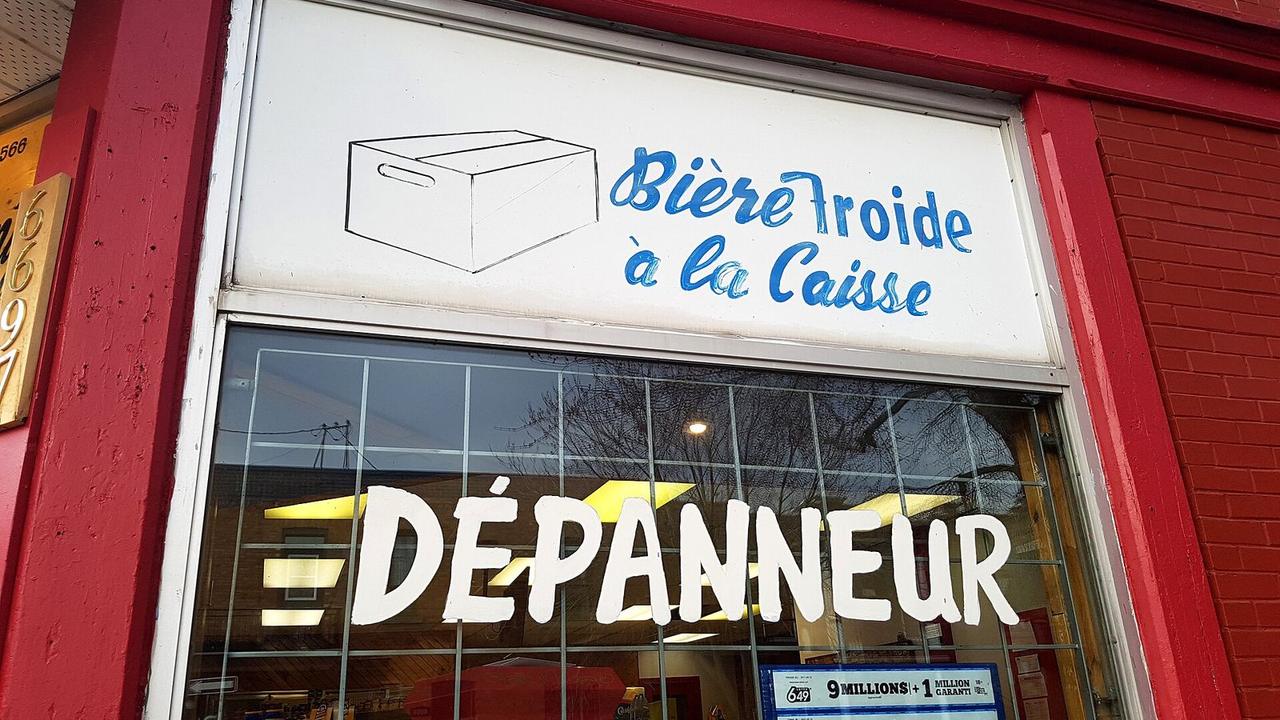
Anyone who has read the rules of a Canadian sweepstakes, a social-media giveaway or a brand promotion has seen the line: open to residents of Canada, excluding Quebec, or simply void in Quebec. It was so common that many Quebecers assumed it was a legal ban. It was not. It was a business decision, made because Quebec ran a separate administrative regime for what it called concours publicitaires, publicity contests, and many sponsors found it cheaper to leave the province out than to comply.
That regime was repealed. This article explains what it required, why it pushed sponsors to exclude Quebec, what Bill 17 removed, which contests still sit under the old rules, and what still applies to any contest open to Quebec residents. It is a summary of published legal commentary, not legal advice.
What counted as a publicity contest
Quebec's Act respecting lotteries, publicity contests and amusement machines gave the Régie des alcools, des courses et des jeux (RACJ) authority over publicity contests. As summarized by the law firm Cassels, a contest fell under the regime when three elements were present:
- a prize worth $100 or more;
- an element of chance in choosing the winner;
- the contest was run to promote the commercial interests of the sponsor.
That definition captured almost every brand giveaway, from a grocery chain's draw for a gift card to a national car sweepstakes. It did not matter whether the contest ran in stores, by mail or online.
What the RACJ required from sponsors
The burden came from the paperwork and the money. Law-firm summaries from Cassels, Blakes, BLG and Langlois describe the same set of obligations:
- Registration fees based on the value of the prizes. Cassels puts the range at 3% to 10% of prize value; Blakes describes it as up to 10% of the total value of the prizes. A consumer guide by François Charron gives the split: 10% for a contest held only in Quebec and 3% for a contest open across Canada, on prizes over $100.
- Filing deadlines. According to Langlois, the prescribed form had to be filed at least 5 days before the contest if total prizes were under $1,000, and 30 days before otherwise. The rules had to be filed within 10 days before the contest was publicized.
- Advertising texts. Where prizes exceeded $2,000, the advertising material also had to be filed.
- Mandatory wording. The rules had to carry specific prescribed disclosures, which made Quebec rules longer than the same contest's rules elsewhere.
- Security. Cassels notes security could be required when the Régie asked for it; Langlois mentions a letter of guarantee from a financial institution in some cases.
- No changes without approval. Blakes notes a contest could not be modified without the Régie's approval.
- A winners report, which Langlois says was due within 60 days of naming the winners for contests with prizes over $2,000.
For a sponsor running one national promotion, Quebec was the only province asking for a fee calculated on the prize pool, a separate filing calendar and a report afterwards.
Why sponsors chose to exclude Quebec
Langlois put it plainly: companies "have made a habit of limiting the eligibility of Quebec residents", a habit "attributable to the administrative formalities and fees imposed by the Quebec government."
The arithmetic is easy to see. On a contest offering $50,000 in prizes, a 3% fee is $1,500, before counting legal time to draft the Quebec-specific wording, translate it and track deadlines. For a small promotion, the fee and the filing could cost more than the extra entries from Quebec were worth to the sponsor. Excluding the province was the cheapest compliance strategy, and "void in Quebec" became boilerplate copied from one set of rules to the next.
The result for consumers was a two-tier country: Quebec residents saw the ads but could not enter, while the same promotion was open in every other province.
The first crack: international contests
The regime started to narrow before it was abolished. According to Langlois, an amendment in force on June 2, 2021 exempted international contests, meaning contests offering prizes to a group of participants that includes people outside Canada as well as in Quebec.
The exemption had limits. A contest was not treated as international if its entry form could only be obtained in Quebec, or if the organizer's commercial interests were primarily in Quebec. A Quebec retailer could not escape the rules simply by letting one foreign entrant in.
François Charron quotes the Régie's own summary: the oversight of international contests by the Régie des alcools, des courses et des jeux was abolished in 2021.
Bill 17 ends the regime
The broader change came with Bill 17, An Act to amend various provisions mainly for the purpose of reducing regulatory and administrative burden. It received royal assent and took effect on October 27, 2023.
Blakes reports that the bill repealed the publicity-contest provisions of the Act, and that the words "concours publicitaires" were removed from the Act's title. The Rules respecting publicity contests were eliminated entirely, with immediate effect.
BLG lists six obligations that disappeared:
- the registration fee based on the value of the prizes;
- filing the contest rules and advertising text with the Régie;
- the prescribed disclosures in the rules;
- the bond or security, where applicable;
- Régie approval before modifying a contest;
- the winners report.
The Régie's own notices, as quoted by François Charron, confirm the practical side: form RACJ-8002 is no longer required, and assessment notices will stop and registration fees no longer apply.
Contests that still sit under the old rules
The repeal was not retroactive. Commentators note a transitional rule: contests that were notified or registered with the Régie before October 27, 2023 remain governed by the old Act and Rules. For those contests the sponsor still owes the obligations that applied at the time, including the winners report.
In practice that matters only for long-running promotions launched before the repeal. A new contest launched after that date is outside the old regime.
What still applies to a contest open to Quebec
Repeal of the RACJ regime did not make Quebec rule-free. Three sets of rules still apply.
The Charter of the French language
Contest rules and materials directed at Quebec consumers must be available in French. Mondaq's commentary points to sections 55 and 58 of the Charter, which deal with commercial documents and public signs and advertising. A sponsor that drops "void in Quebec" still needs French rules.
The federal Criminal Code
Lotteries and games of chance are regulated federally under the Criminal Code. Mondaq refers to section 206, which applies to contests across Canada, Quebec included. The provincial repeal changes nothing at the federal level.
The Competition Act
Section 74.06 of the Competition Act deals with promotional contests and the disclosure owed to participants. Mondaq cites it as continuing to apply. Like the Criminal Code, it is national law.
What it means for people who enter contests
For Quebec residents the change is mostly good news: more national promotions are likely to open to the province, because the specific Quebec cost has gone. Expect "void in Quebec" to fade from new contest rules, although old templates will linger for a while.
The loss is on the complaint side. François Charron quotes the Régie: its power over contests was limited to mediation, and people who believe they have been wronged will have to go to the ordinary courts. The same guide sets out the path: send a formal demand letter (mise en demeure), then file in small claims court, or in the Court of Québec if the claim is over $15,000.
The same article expects more fake contests once the registry disappears. That fits a familiar pattern: a fake giveaway that asks for a "processing fee", a card number or login details is not a contest at all. Our guide to common gambling and promotion scams covers the warning signs, and they apply equally to giveaways posted by accounts imitating brands.
How this differs from gambling regulation
It is worth separating publicity contests from gambling. A contest promoting a brand is a marketing tool, and its repeal did not change how Quebec regulates lotteries, casinos or online gambling. Loto-Québec remains the provincial operator, and the wider rules are summarized in our overview of gambling regulation in Canada. For the province-run draw games themselves, see our guide to Canadian lotteries.
Promotions that require a purchase, a deposit or a bet to enter belong to a different conversation. Casino offers are not contests in this sense, and the conditions attached to them are covered in our explainer on casino bonuses. If a giveaway or a promotion is pulling you toward spending more than you planned, the tools listed on our responsible gaming page are a better next step than another entry.
A quick checklist for reading contest rules in Quebec
- Who is eligible? If the rules still say "excluding Quebec", that is the sponsor's choice, not a legal requirement.
- Are the rules in French? A contest aimed at Quebec should provide them.
- Is the sponsor identified? A real contest names the company running it and how to reach it.
- Is anything asked of you to claim a prize? A fee, a card number or a password is a warning sign.
- When did it launch? A contest registered before October 27, 2023 still falls under the old rules.
Questions readers ask
Was it ever illegal for Quebec residents to enter contests?
No. "Void in Quebec" was a choice by sponsors who did not want to pay the RACJ fees or meet its filing and reporting requirements. Langlois attributed the habit to the administrative formalities and fees imposed by the Quebec government.
What did Bill 17 change for publicity contests?
Bill 17 took effect on October 27, 2023. It repealed the publicity-contest provisions of the Act respecting lotteries, publicity contests and amusement machines and eliminated the Rules respecting publicity contests. Fees, filings, prescribed disclosures, security, approval for changes and the winners report all ended.
How much did sponsors pay the Régie before the repeal?
Law-firm summaries put the fee at 3% to 10% of prize value. François Charron describes it as 10% for a Quebec-only contest and 3% for a Canada-wide contest, on prizes over $100.
Do any contests still fall under the old RACJ rules?
Yes. Contests notified or registered before October 27, 2023 remain under the old Act and Rules, and the sponsor still has to file the winners report for them.
Where can a Quebec resident complain about a contest now?
According to the Régie as quoted by François Charron, people who believe they were wronged must go to the ordinary courts: a formal demand letter, then small claims court, or the Court of Québec for claims over $15,000.
Sources
- Cassels: Let the games begin, Quebec repeals laws related to the regulation of publicity contests
- Blakes: Changements à la loi en matière de concours publicitaires au Québec
- BLG: Quebec abolishes publicity contest rules
- Langlois: Exclusion of international publicity contests from the jurisdiction of the RACJ
- Mondaq: The end of the Régie des alcools, des courses et des jeux rules on publicity contests
- François Charron: Fini l'inscription des concours en ligne auprès de la Régie des jeux du Québec
Related on CasinoTrust
- Casino Scams - Blacklisted Casinos 2026
- Gambling Regulations in Canada
- Canadian Lotteries
- Casino Bonuses Canada
- Responsible Gambling in Canada
More from the blog
 RacingWhy horse racing bets are federal in Canada: pari-mutuel wagering and section 204Almost every form of legal gambling in Canada belongs to the provinces.
 LawDice games and the Criminal Code: why only provinces may run themCanada's gaming law names dice games outright, and treats them more strictly than most table games.
 RegulationBinary options in Canada: how Multilateral Instrument 91-102 bans themA yes-or-no wager on a price, settled in minutes: binary options look like gambling and are marketed like investing.
 Border rulesBringing Casino Winnings Across the Border: How the C$10,000 Report WorksA good night in Las Vegas, Niagara or Atlantic City can leave you carrying more cash than the border allows without a report.